
Verityn / Crisis Management
Crisis Management
The right team to guide you through your worst day. Our consultants work alongside leadership teams to prepare for an incident, hold the response together while it runs, and rebuild resilience once the immediate pressure lifts.
- Availability
- Standing retainer or ad hoc
- Deployment
- On site or remote
- Works with
- Executive, board, counsel
- Scope
- Before, during and after
- Personnel
- AU citizens, NV1 or NV2
Crisis desk
Incident running now
+61 427 678 567Call first. If you cannot speak freely, email enquiries@verityn.com.au and mark the subject line urgent.
Before you call, if there is time
- Note when you first saw something wrong, and who saw it.
- Stop deleting anything. Preserve logs, images and devices as they are.
- Move incident discussion to a channel you know is clean.
- Identify who can authorise systems being taken offline.
- Do not brief externally until the facts are established.
Systems get restored. What lingers is everything that ran alongside the outage. The customer who could not be told anything for two days. The regulator asking what was known and when. The staff who watched leadership improvise.
We work with the executive team rather than around it, holding structure through the response so decisions get made by the right people with the right facts, at a pace that will look defensible afterwards.
Then we stay for the part most firms skip. Second and third order effects arrive weeks later, and they are usually where the lasting cost sits.
Before, during, and long after.
Before
Preparation that means the first hour is executed rather than invented.
- Crisis management training
- Operational resilience assessments
- Incident response readiness exercises
- Tabletop attack simulations
During
Senior people beside your leadership team while the response is live.
- Executive crisis advisory
- Systems restoration
- Crisis media and public affairs
After
The consequences that surface once the immediate incident is closed.
- Second and third order effects advisory
- Post incident review and lessons capture
- Control and process remediation
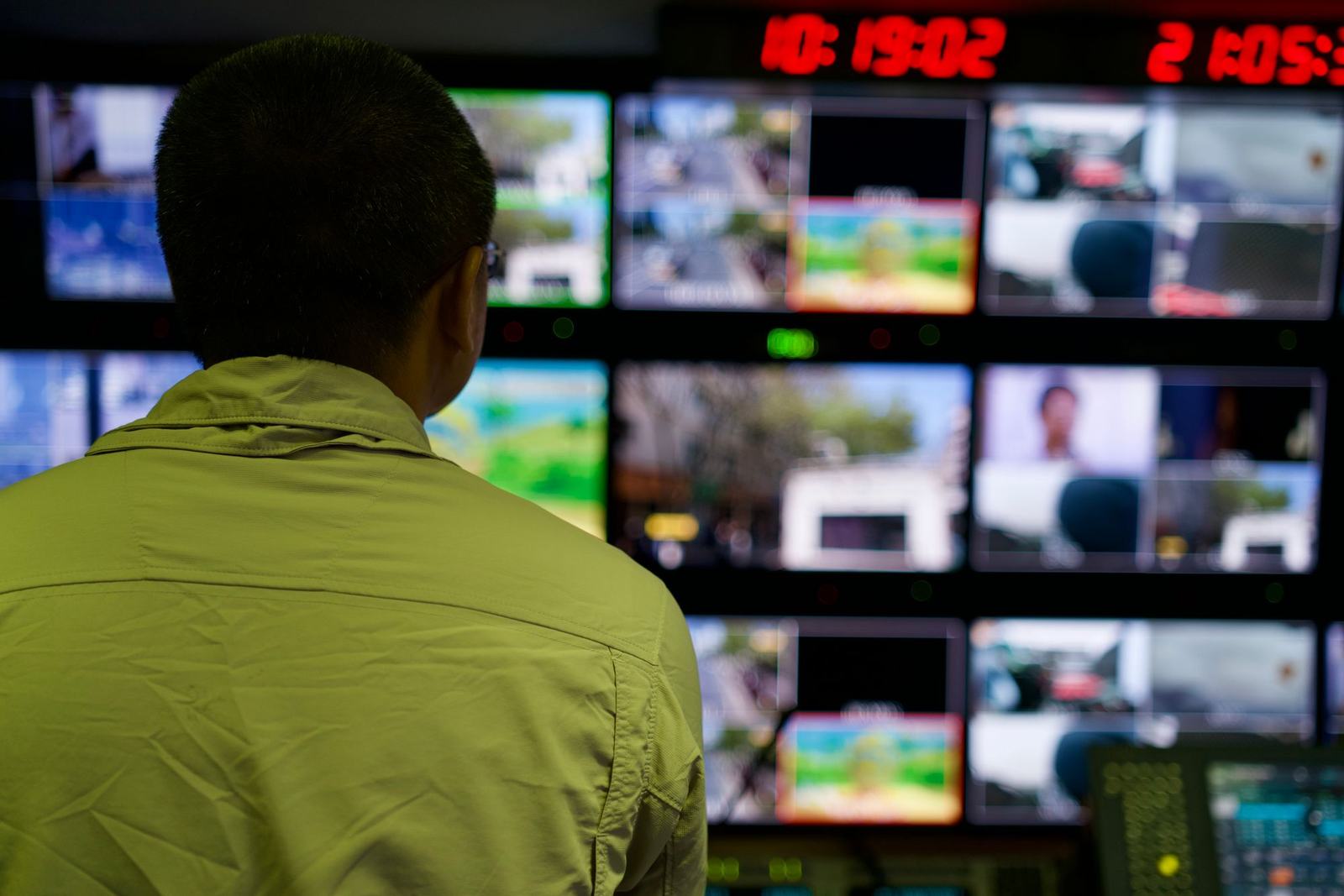
Structure, then facts, then decisions.
Hour one
Establish the room
Who decides, who executes, who records, and who speaks. A clean communication channel, a running log, and a single agreed statement of what is actually known versus what is assumed.
Day one
Contain and sequence
Restoration planned against business priority rather than technical convenience, with obligations to regulators, customers and insurers mapped and diarised before anyone briefs externally.
Week one and beyond
Hold the line
Sustained leadership support as fatigue sets in, a defensible record of decisions and their reasoning, and a plan for the second and third order effects before they arrive.
Prepare before you need it
The cheapest hour of a crisis is the one you spend a year early.
A readiness exercise tells you more about your organisation than any maturity score will. Most teams discover the gap is not technology, it is who is allowed to make a decision at two in the morning.
- Enquiries
- enquiries@verityn.com.au
- Live incident
- Crisis desk